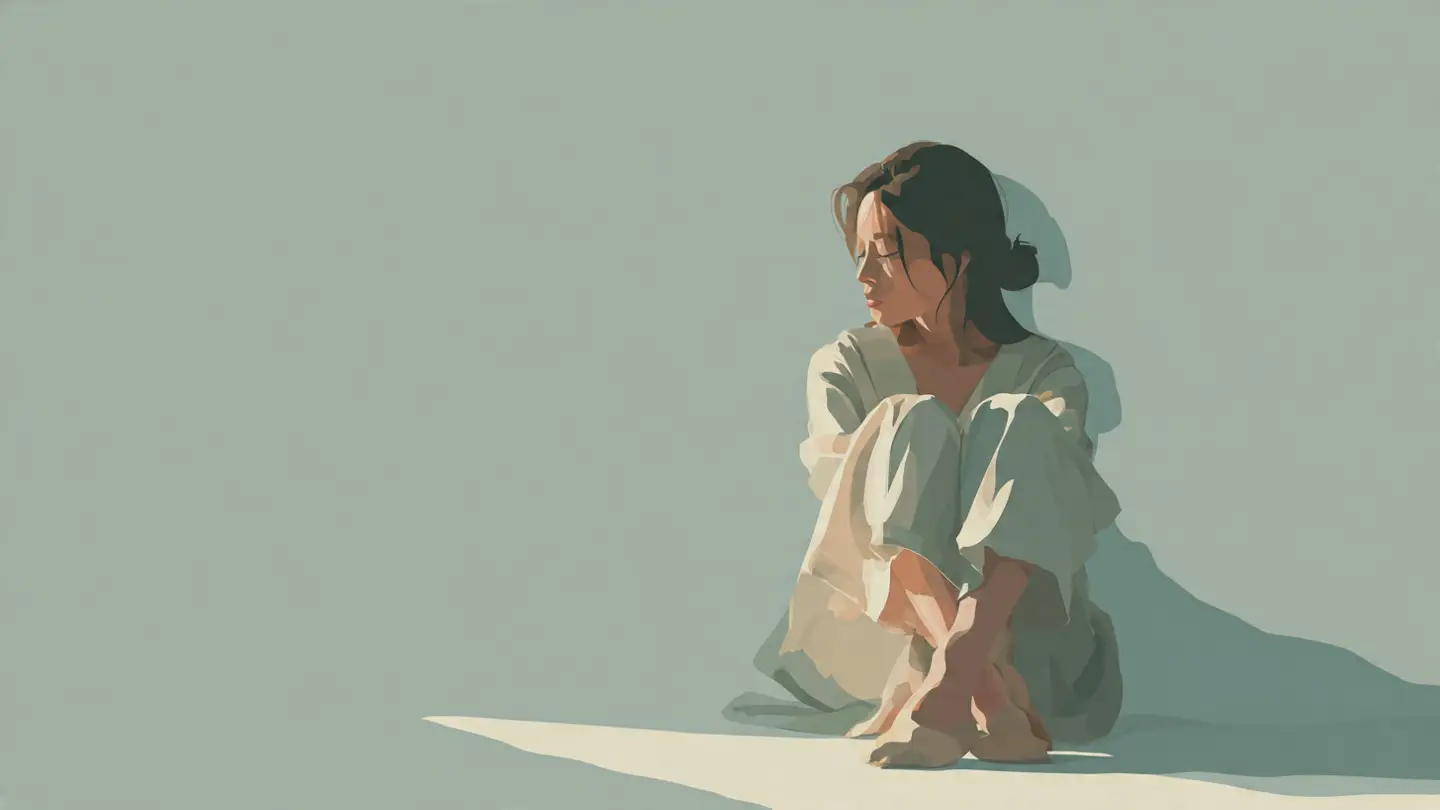
Emotional damage doesn’t always look dramatic or obvious. Many women continue to function, care for others, and appear strong on the outside while carrying deep emotional wounds beneath the surface.
These signs are not labels or judgments. They are signals of pain, unmet needs, and experiences that have shaped emotional defenses. Recognizing them is often the first step toward healing.
1. She struggles to trust even when she wants to
She may crave closeness but hesitate when it appears. Trust feels risky because past experiences taught her that vulnerability leads to disappointment or betrayal.
This internal conflict can make relationships feel confusing for both sides.
2. She keeps emotional walls up without realizing it
She shares selectively, avoids deep conversations, or changes the subject when emotions surface.
These walls aren’t meant to push people away. They’re meant to protect her from being hurt again.
3. She overthinks interactions and conversations
She replays words, tone, and moments repeatedly. Small changes in behavior can trigger anxiety or self-doubt.
Overthinking often develops as a survival response to emotional unpredictability.
4. She fears abandonment even in stable situations
Even when things are going well, she may worry about being left, replaced, or forgotten.
This fear can cause her to cling emotionally or pull away preemptively.
5. She struggles to express her needs clearly
She may feel guilty for wanting reassurance, consistency, or emotional presence.
Instead of asking directly, she suppresses her needs or hopes others will notice them on their own.
6. She is highly sensitive to rejection or criticism
Even gentle feedback can feel deeply personal. Emotional wounds can make neutral situations feel threatening.
This sensitivity is often rooted in past emotional invalidation.
7. She feels responsible for other people’s emotions
She takes on the role of caretaker, peacemaker, or fixer. Her own feelings often come last.
This pattern can stem from having to emotionally survive by prioritizing others.
8. She alternates between craving closeness and needing distance
She wants connection but feels overwhelmed by it. Emotional intimacy can feel comforting one moment and suffocating the next.
This push-pull dynamic often reflects unresolved emotional pain.
9. She doubts her worth despite external validation
Compliments and reassurance don’t fully register. Deep down, she struggles to believe she’s enough.
Emotional damage often distorts self-perception.
10. She stays in unhealthy situations longer than she should
Familiar pain can feel safer than the unknown. She may tolerate emotional neglect or inconsistency because it feels familiar.
Letting go can feel more frightening than staying.
11. She minimizes her pain and tells herself it “wasn’t that bad”
She downplays past experiences to cope. Acknowledging the depth of hurt feels overwhelming.
Minimization becomes a way to survive emotionally.
12. She feels emotionally exhausted but doesn’t know why
There’s a constant sense of heaviness, even when life seems fine on the surface.
Unprocessed emotional wounds often drain energy quietly over time.
Final thoughts
Being emotionally damaged does not mean being broken. It means having adapted to pain in ways that once kept you safe.
Healing begins with compassion, patience, and the courage to face what was buried. Awareness is not weakness. It is the first step toward emotional freedom.