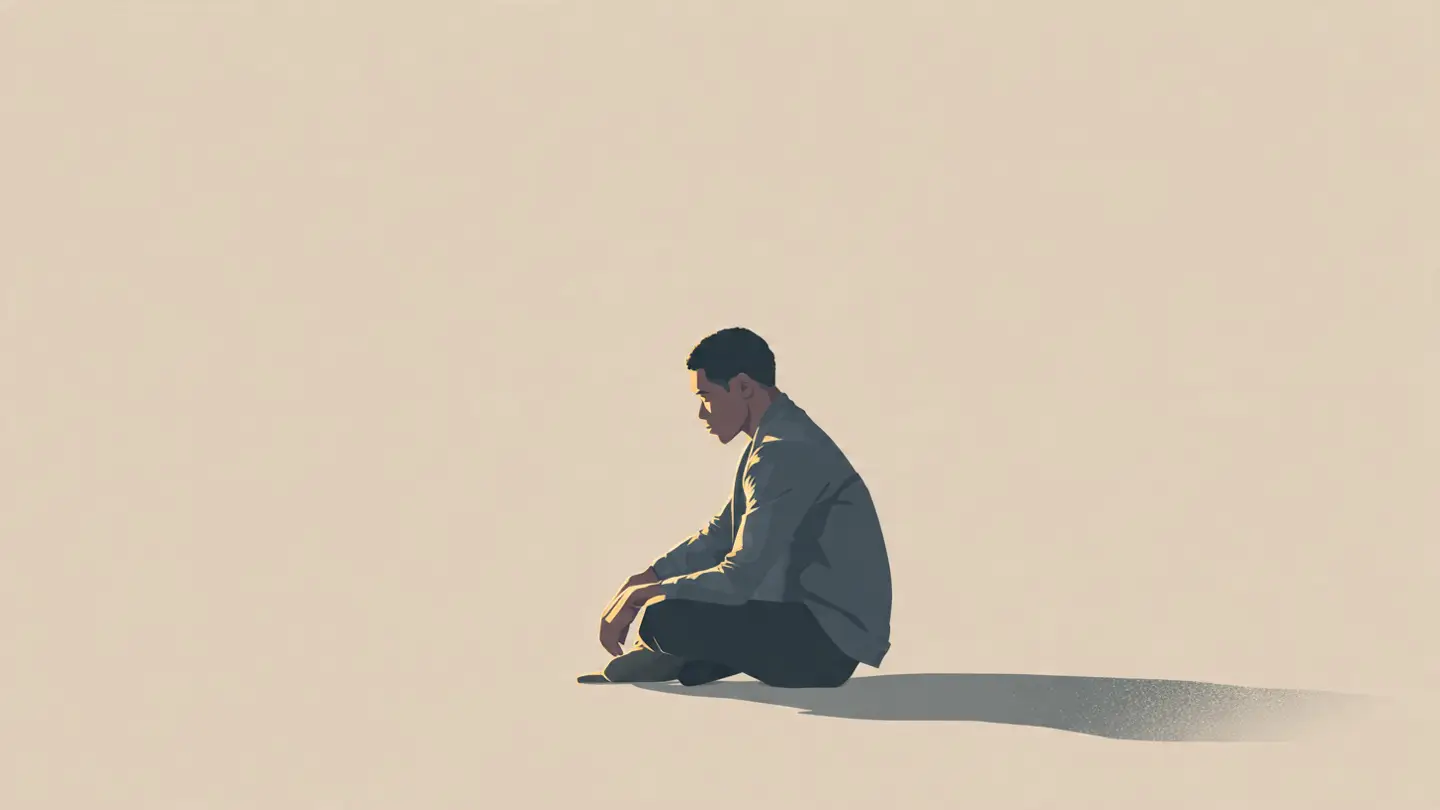
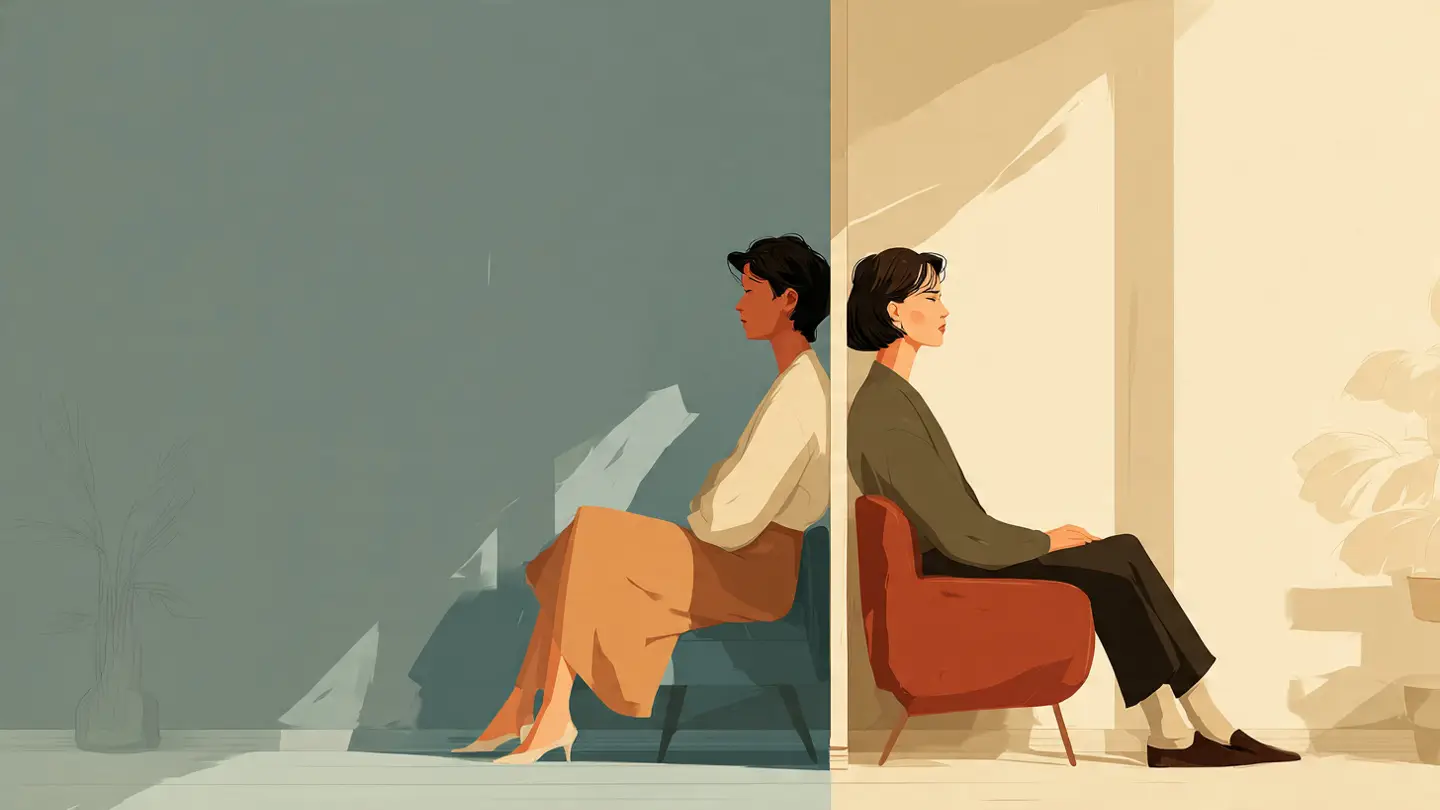
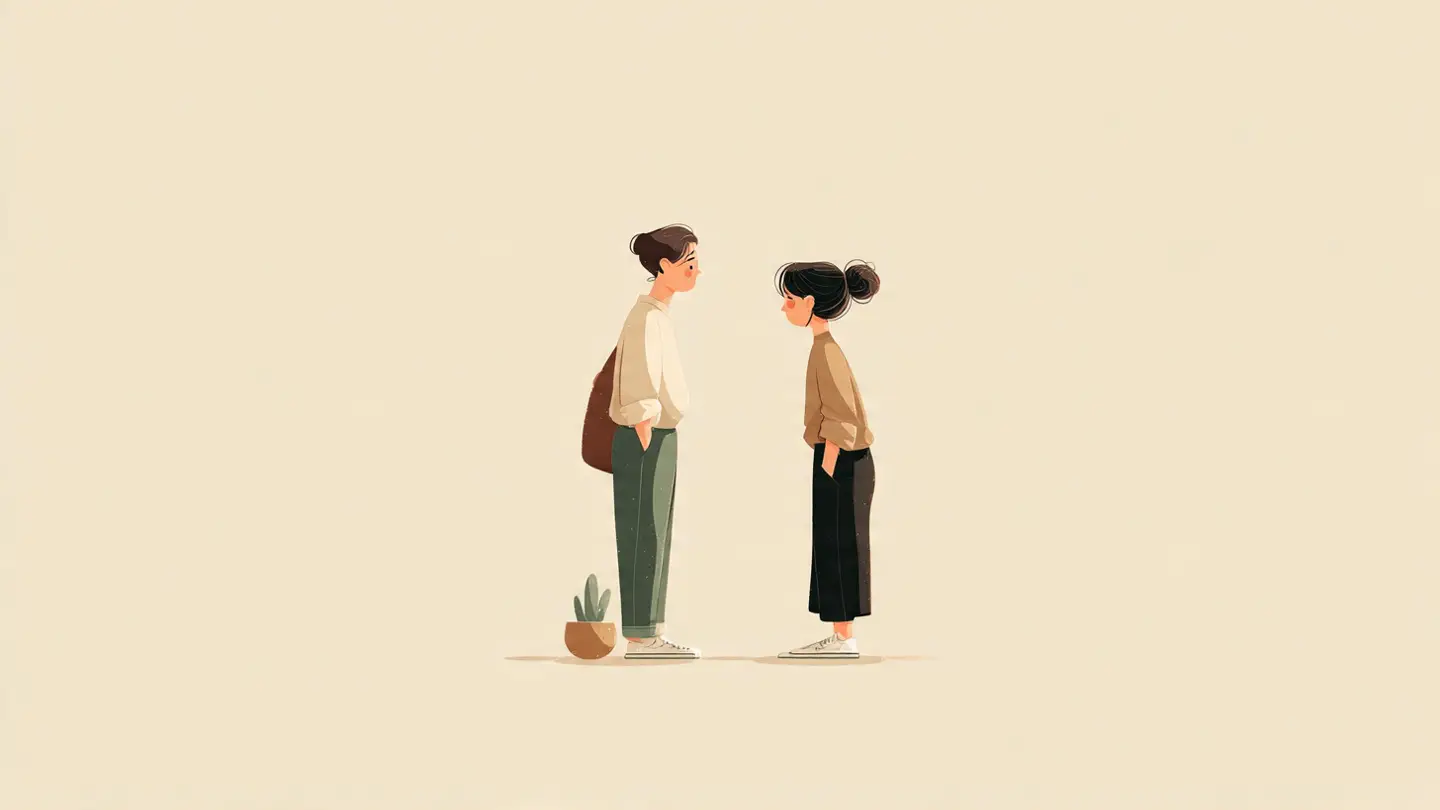
There is a painful difference between someone who is angry with you and someone who has become indifferent to you.
Anger, while uncomfortable, still carries emotion. It often means the person is hurt, frustrated, or desperately hoping something will change. Indifference, however, is much quieter. It doesn’t shout. It doesn’t argue. It simply stops caring.
Many relationships don’t end because of one major betrayal. Instead, they slowly unravel as one or both partners stop investing emotionally. Conversations become shorter, affection feels forced, and the relationship begins to function more like a shared routine than a meaningful connection.
The difficult part is that indifference rarely arrives overnight. It develops through months or even years of unresolved conflict, unmet emotional needs, repeated disappointments, or simply growing apart. Because the change happens gradually, many people don’t recognize it until the emotional distance has become impossible to ignore.
If you’ve been feeling like your partner’s heart is no longer fully in the relationship, these signs may help you understand what you may be experiencing.
1. They No Longer Seem Curious About Your Life
When people are emotionally invested in someone, curiosity comes naturally. They want to know how your meeting went, whether you arrived home safely, what made you laugh today, or why you’ve been unusually quiet lately. These questions aren’t asked because they feel obligated to ask them. They ask because your life genuinely matters to them.
When indifference begins replacing emotional connection, that curiosity slowly disappears. You may realize that your partner no longer asks about your day unless you bring it up first. Even when you do share something important, the conversation feels rushed or distracted. They may nod politely while scrolling through their phone or respond with short replies that make you feel like the discussion is already over.
Perhaps you receive exciting news at work, solve a problem you’ve been struggling with for weeks, or accomplish something you’ve worked hard for. Instead of celebrating with you or asking thoughtful questions, they respond with little more than “That’s nice” before moving on to something else. The excitement that once existed between you seems to have faded.
This doesn’t necessarily mean they’ve stopped loving you entirely. Stress, exhaustion, or difficult life circumstances can sometimes reduce emotional energy. However, when the lack of curiosity becomes consistent and your inner world no longer seems to interest them, it often signals a much deeper emotional disconnect.
2. Conversations Feel Like Responsibilities Instead of Connection
Think back to the beginning of your relationship. You probably talked for hours without realizing how much time had passed. Even ordinary topics somehow felt interesting simply because you enjoyed hearing each other’s thoughts.
As emotional indifference develops, conversations begin feeling very different. Most discussions revolve around responsibilities rather than connection. You talk about groceries, children’s schedules, bills, appointments, household chores, or work obligations. Once those topics are finished, silence quickly fills the room.
You may notice that meaningful conversations rarely happen anymore unless you deliberately try to start them. Even then, your partner may seem distracted, tired, or eager to end the discussion as quickly as possible. Instead of exploring each other’s thoughts and emotions, communication becomes transactional.
Over time, this emotional silence becomes one of the loneliest parts of the relationship. You begin missing the simple experience of feeling genuinely heard. It’s not that you need constant conversation, but you miss feeling like your thoughts still matter to the person sitting beside you.
Relationships naturally evolve over time, but emotional intimacy requires ongoing communication. When conversations consistently lose their warmth and curiosity, they often reveal a relationship that’s quietly drifting apart.
3. Your Happiness No Longer Seems to Affect Them
One of the most beautiful parts of a loving relationship is shared emotion. When something wonderful happens to you, your partner feels excited too. When you’re hurting, they naturally feel concerned because your emotional world has become part of theirs.
Indifference changes that dynamic.
You might receive a promotion, accomplish a personal goal, or finally finish something you’ve spent months working toward. Instead of celebrating with genuine enthusiasm, your partner offers a polite congratulations before returning to whatever they were doing. The emotional excitement that once felt mutual now feels one-sided.
The same thing can happen during difficult moments. Perhaps you’re overwhelmed by work, grieving a loss, or struggling emotionally. While they may acknowledge what you’re going through, there seems to be very little emotional engagement. You begin feeling as though your victories and struggles belong only to you.
This emotional separation doesn’t always happen intentionally. Sometimes people become emotionally overwhelmed by their own lives and unintentionally stop showing up for others. However, if your emotional experiences consistently fail to move the person who once cared deeply, it’s worth paying attention to that pattern.
4. They Stop Making an Effort to Resolve Problems
Every relationship encounters conflict. What keeps healthy relationships together isn’t the absence of problems but the willingness to work through them together.
When someone becomes indifferent, that willingness often begins disappearing.
Instead of discussing disagreements, they avoid them. Rather than looking for solutions, they shrug their shoulders or tell you they’re too tired to talk. Difficult conversations become something they endure instead of opportunities to repair the relationship.
You may find yourself carrying the entire emotional responsibility for fixing things. You’re the one suggesting date nights, initiating conversations, recommending counseling, or apologizing first. Meanwhile, your partner appears content allowing unresolved issues to remain unresolved.
Perhaps the saddest realization is that they no longer seem bothered by the distance growing between you. While you’re searching for ways to reconnect, they’re simply learning to live with the disconnect.
Relationships cannot heal if only one person is trying to repair them.
5. They Seem More Present Everywhere Else Than They Do With You
Have you ever noticed that your partner seems energetic, funny, and engaged around friends, coworkers, or even strangers, yet becomes unusually quiet or emotionally distant at home?
That contrast can be incredibly painful.
It isn’t necessarily that they’ve become an unhappy person. In fact, watching them laugh freely with other people may remind you of the version of them you once knew. The difficult question becomes why that warmth rarely seems directed toward your relationship anymore.
Perhaps they happily spend hours talking with friends but barely respond during dinner. Maybe they eagerly make plans with other people while repeatedly postponing time together. Over time, you begin wondering whether they’ve simply stopped enjoying your company.
Everyone needs friendships and interests outside their relationship. The issue isn’t that they have a life beyond you. The concern arises when they consistently invest more emotional energy everywhere else while your relationship receives whatever little remains.
6. Affection Feels Like a Habit Instead of a Desire
Physical affection changes naturally over the course of a relationship. Few couples continue expressing affection exactly the way they did during the first few months of dating.
However, there’s a noticeable difference between affection becoming comfortable and affection becoming emotionally empty.
Your partner may still hug you before leaving for work or kiss you goodnight, but those moments feel automatic rather than intentional. They resemble routines that have been repeated for years instead of genuine expressions of closeness.
You may also notice that affectionate moments rarely happen spontaneously anymore. They no longer reach for your hand while walking together or pull you close during a quiet moment on the couch. Instead, physical closeness only happens when expected.
Affection often reflects emotional connection. When the emotional bond weakens, physical closeness frequently becomes one of the first things to change.
7. You Feel Lonely Even When You’re Together
Perhaps the most heartbreaking sign of indifference isn’t something your partner does.
It’s something you feel.
You sit together every evening.
You sleep in the same bed.
You share meals.
You go through life side by side.
Yet somehow, you feel profoundly alone.
This type of loneliness is different from being physically alone. It’s the loneliness of feeling emotionally unseen by the person whose presence once made you feel safest.
You begin missing conversations that no longer happen, affection that no longer comes naturally, and emotional closeness that once seemed effortless. You may even hesitate to share your feelings because previous attempts left you feeling ignored or misunderstood.
Loneliness inside a relationship often hurts more than loneliness outside one because it constantly reminds you of the connection that’s missing.
8. They Rarely Include You in Their Future Anymore
One subtle sign of emotional withdrawal is how someone talks about tomorrow.
In healthy relationships, future plans naturally include both people. Whether discussing holidays, career moves, family plans, or even simple weekend activities, there’s usually an underlying assumption that you’re building a future together.
When indifference develops, that language often changes.
Your partner begins speaking in terms of “I” instead of “we.” They make plans without discussing them with you or seem uninterested in talking about where the relationship is heading. It’s not always deliberate, but the emotional picture of the future gradually becomes less shared.
This shift can leave you feeling like you’re standing beside someone who’s quietly walking toward a future that no longer automatically includes you.
9. Deep Down, You Stop Feeling Like Their Person
The clearest sign of emotional indifference often can’t be measured by one conversation or one event.
It’s the quiet feeling that settles into your heart over time.
You no longer feel like the first person they want to celebrate with.
You no longer feel like the person they turn to when life becomes difficult.
You no longer feel emotionally chosen.
Instead, you begin feeling like someone who simply shares the same space.
Relationships don’t survive on routine alone. They survive because two people continue making each other feel important, valued, and emotionally significant.
If that feeling has slowly disappeared, it’s not something you should ignore. It deserves an honest conversation, not because every relationship showing these signs is beyond repair, but because emotional distance rarely heals on its own.
Final Thoughts
Indifference is one of the quietest challenges a relationship can face because it often arrives without dramatic arguments or obvious betrayal. Instead, it slowly replaces curiosity with routine, affection with habit, and emotional closeness with quiet distance.
If several of these signs feel familiar, resist the temptation to either panic or pretend nothing is wrong. The healthiest next step is an honest conversation where both of you can speak openly about what has changed and whether you’re both willing to rebuild the connection.
Relationships can recover from difficult seasons when both people remain emotionally invested. But healing begins with acknowledging the distance instead of hoping it will disappear on its own.